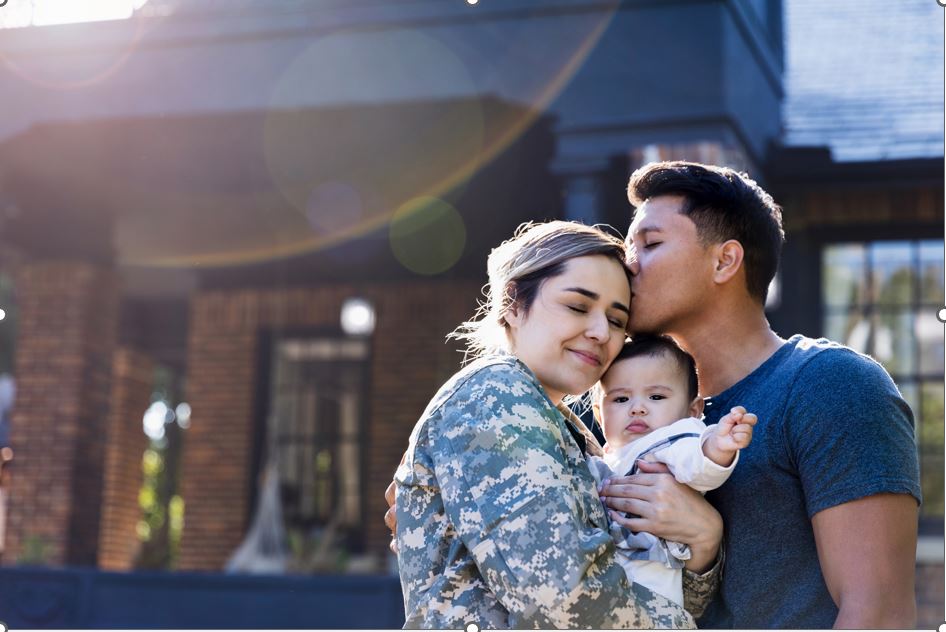
November is a month of gratitude and remembrance. As we celebrate Veteran’s Day and gather with loved ones for Thanksgiving, we pause to honor the brave men and women who serve—and the families who stand beside them. Their sacrifices, both seen and unseen, safeguard our freedoms and strengthen our communities every single day.
Among the many supports military families need, high-quality child care stands out as essential. For parents serving our nation, child care isn’t just a convenience– it’s a lifeline. It must be flexible enough to accommodate unique challenges like frequent relocations, nontraditional work hours, and deployments, while providing the nurturing environment every child deserves.
The Unique Child Care Needs of Military Families
Service members can sometimes face significant barriers to accessing care—many of which are unique to military life.
- Frequent relocations, often every two to three years, disrupt continuity and place families at the bottom of new waitlists each time they move.
- Military households often do not live near extended family for support, and single parents or dual-military couples often need care during evenings, weekends, or overnight—services that are difficult to find.
- For families stationed in remote areas or living off-base, families may have difficulty finding high-quality, affordable community-based child care.
- On-base child development centers are in high demand and waitlists are common.
These challenges are not just logistical—they directly impact military readiness, as service members cannot fully focus on their duties without reliable care for their children.
Daisy Grotsma, TCC Project Manager, shared her personal experience as a military family. “My husband and I are both U.S. Air Force veterans. Being a military mom with a husband also serving was one of the hardest balancing acts of my life. We had two young children, and finding reliable child care sometimes felt like a mission in itself. It wasn’t easy, but we learned to plan ahead and rely on a strong support network to make it work.”
The U.S. Military Child Care System
The Department of Defense (DoD) child care system has undergone a remarkable transformation over the past four decades. In 1985, it was infamously referred to as “the ghetto of American child care.” That changed with the passage of the Military Child Care Act of 1989, which set program standards and established oversight Today, the DoD operates the largest employer-sponsored child care program in the world, serving more than 200,000 children through accredited centers, school-age programs, and family care homes. Linda Smith, director of policy at the Buffett Early Childhood Institute and one of the early architects of DoD system, reflected: “We didn’t fix military child care overnight—it took vision, leadership, and sustained commitment. That same formula can work for all of America’s families.”
While military families living on base often have access to high-quality child care facilities, those who live off base—such as National Guard and Reserve members—face different challenges. These families rely on community-based providers, often subsidized by the military, to ensure their children receive care that meets the same program standards. This partnership between military programs and civilian providers is essential for maintaining family well-being and military readiness.
National and state early care and education organizations play a critical role in supporting these families. They work diligently to connect military families with compassionate, high-quality child care providers.
North Carolina offers a compelling example of leadership in this area. At a recent meeting of Governor Josh Stein’s Task Force on Child Care and Early Education, leaders emphasized that child care challenges—especially in rural areas—pose a challenge to military force readiness. The state participates in the Military Child Care in Your Neighborhood-PLUS program, which allows service members to use federal subsidies at child care programs rated highly by North Carolina’s quality system. Panelists highlighted unique military challenges such as frequent relocations, lack of nearby family support, and the need for nontraditional care hours. Organizations like Child Care Aware® of America (CCAoA) further strengthen this network of support. Through partnerships with the U.S. Military and DoD, CCAoA administers fee assistance programs for eligible families in the Army, Air Force, Marine Corps, and Space Force. These programs offset the cost of community-based child care, ensuring continuity and quality for children ages 0–12. CCAoA also provides respite care for families with children who have special needs through the Exceptional Family Member Program (EFMP). Families apply for assistance through MilitaryChildCare.com, where each branch has tailored eligibility requirements and processes. Serving over 10,000 military children annually, CCAoA helps families find care that meets their unique needs and circumstances.
Giving Thanks to our Service Members
As we reflect on the resilience and dedication of our military families, we are reminded that their strength is the foundation of our nation’s security. Providing access to high-quality, flexible child care is one way we can honor their sacrifices and support their well-being. Together—with continued innovation, collaboration, and gratitude—we can ensure that every military child has the care they deserve.
This November, and always, we say thank you to our service members and their families for all they do to keep our country strong.